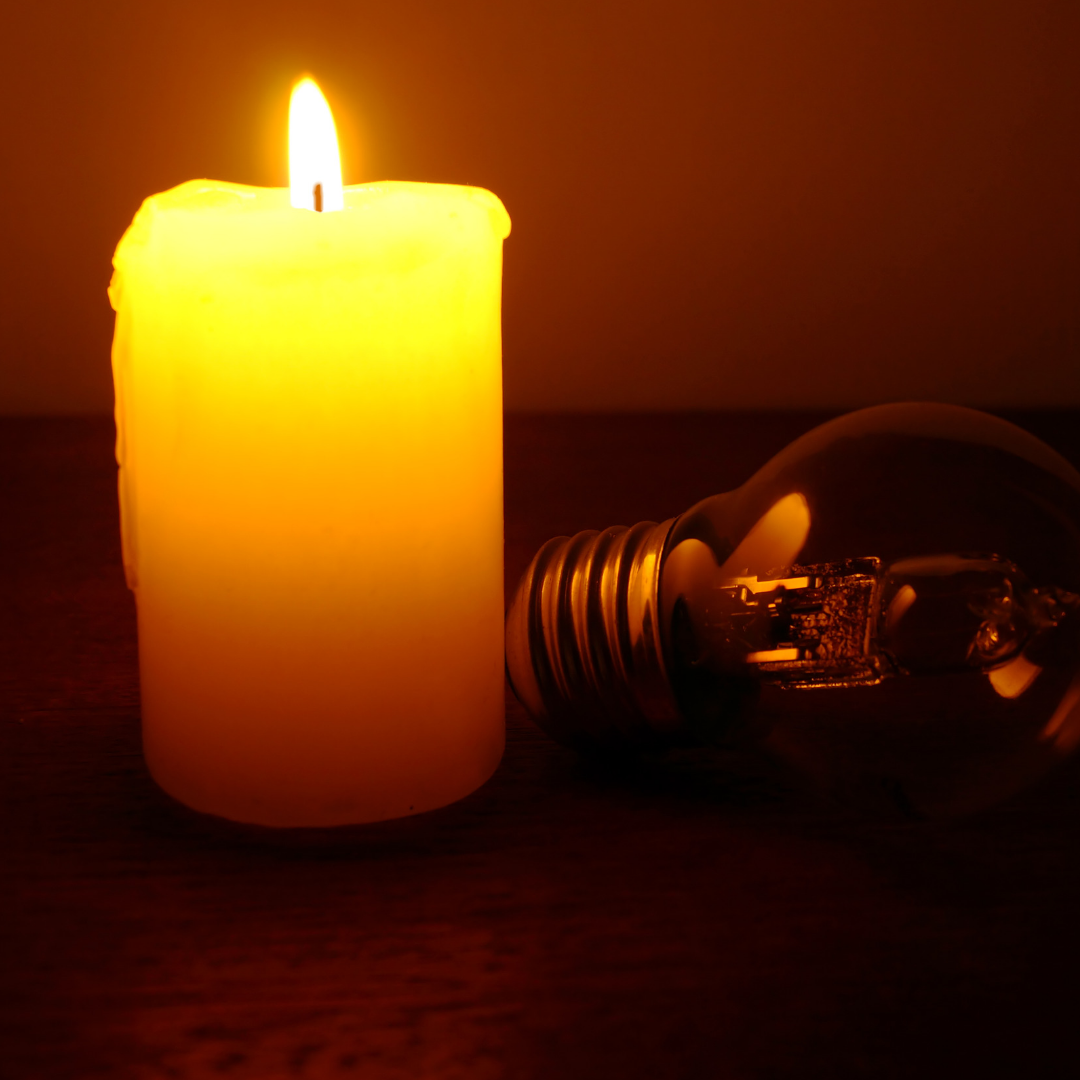
Despite being the largest oil producer in Africa, power supply in Nigeria still suffers dramatic decline. Nigeria power sector has not been able to provide adequate power supply to both domestic households and industries. It is an area of concern because every economical sector depends on adequate supply of electricity. Due to that, electricity has become a tool for the politicians to gain more votes during elections.
DURING THE COLONIAL ERA
The generation of electricity has really come a long way in Nigeria. This started during British colonial era in 1896 with a total capacity of 60kiloWatts. The Electric Supply Company (NESCO) was established in 1929. This was aimed at constructing power plants across the country. NESCO was the first electric utility company and being controlled by the central government. Because of this, the electricity was only made available to government offices and houses. These locations include Port Harcourt (1928), Kaduna (1929), Enugu (1933), Maiduguri (1934), Zaria (1938) Warri (1939) and Calabar (1939).
introduction OF HYDROELECTRIC Transmission
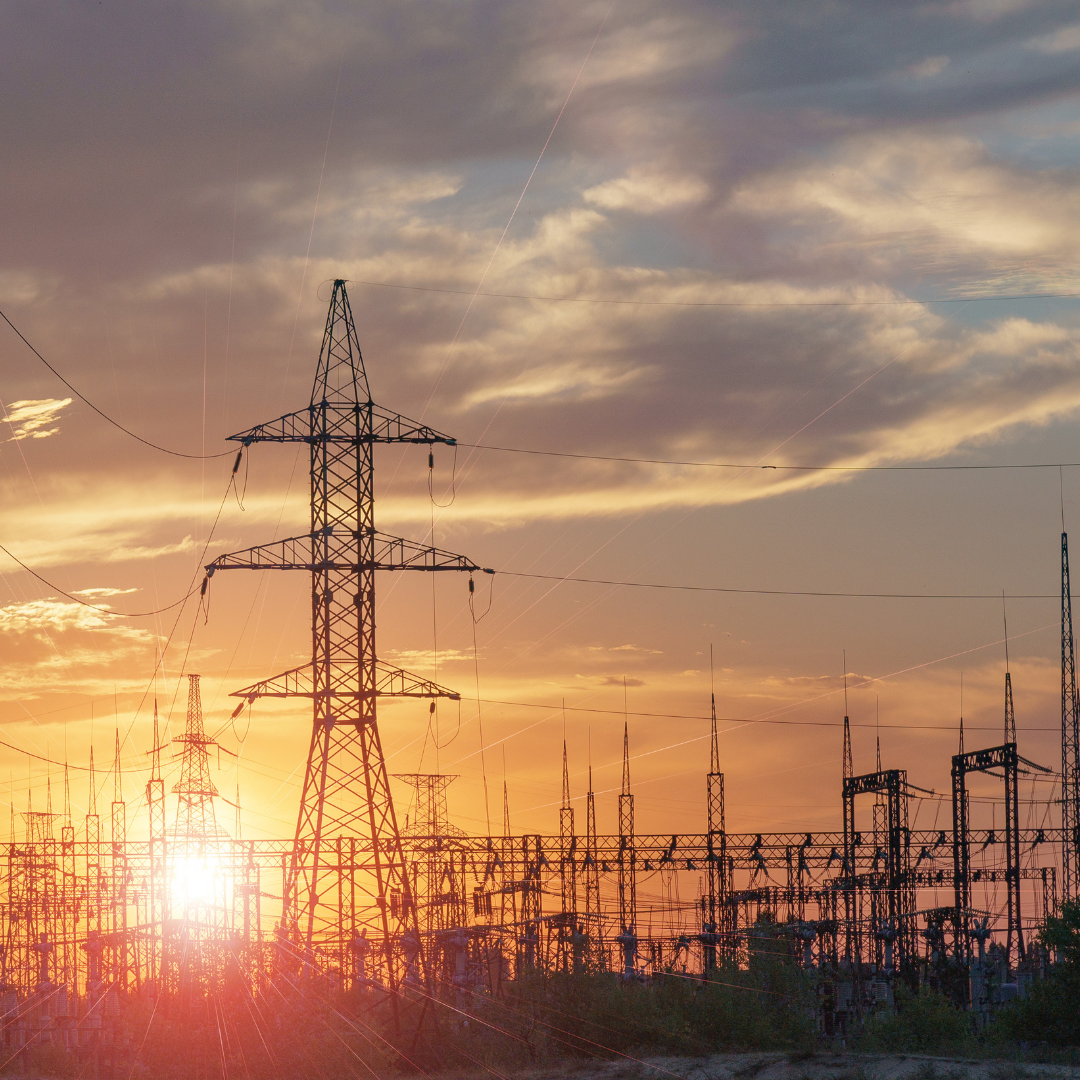
In 1952, there was a plan to provide electricity for all Nigerians including the rural areas. To achieve this, electricity Corporation of Nigeria (ECN) was formed and this led to the construction of 132kiloVolts transmission substations (e.g Ijora and Ibadan power stations).
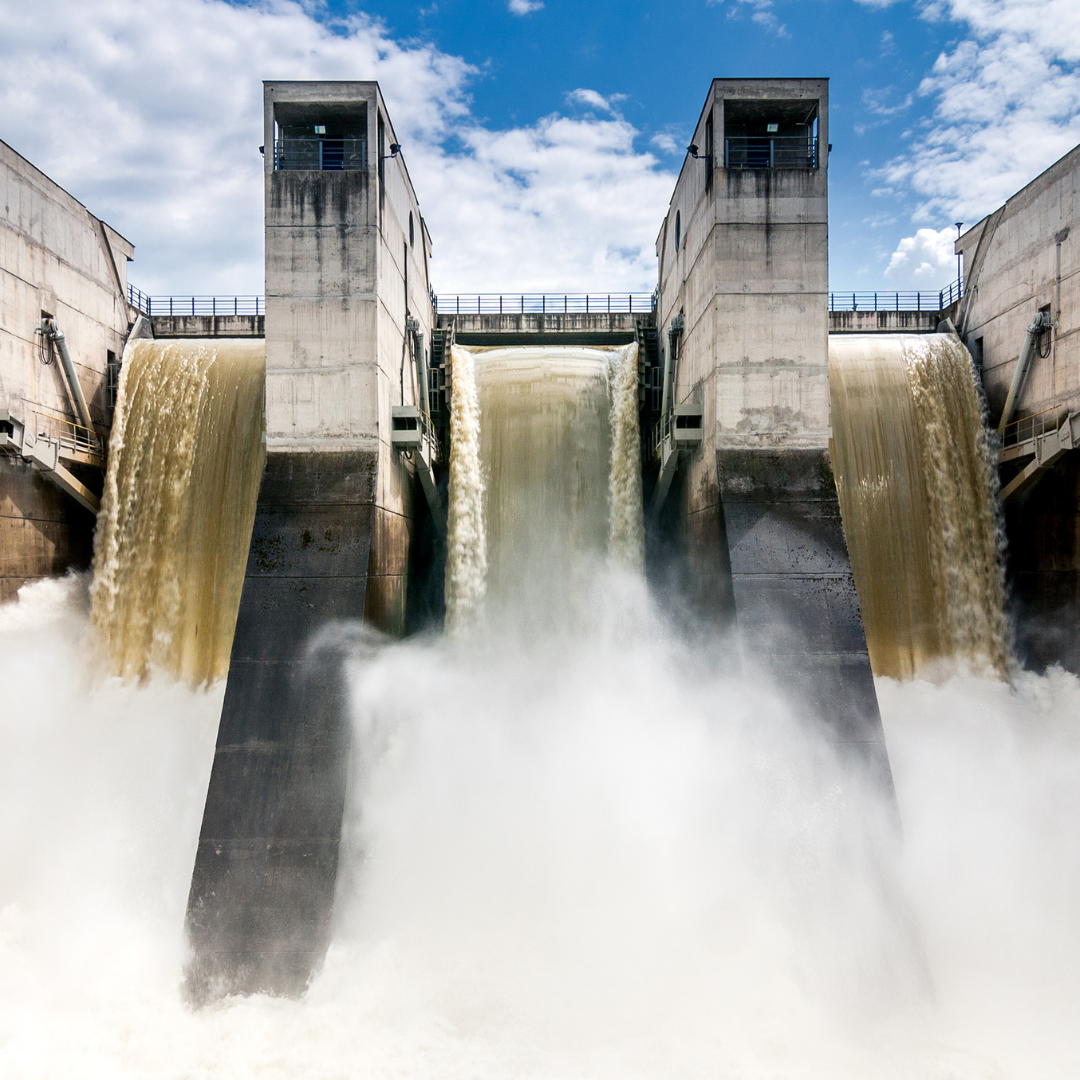
With the need to create new and renewable technologies, in 1962, the Niger Dams Authority was established to ensured the generation of power from water (hydro-power transmission).
In quest of transmitting electricity to all Nigerians, the grid power transmission system started in 1966 with the collaboration of ECN and NDA. In 1972, ECN and NDA were merged to form a unified body called National Electric Power Authority, NEPA. The electricity network continued to grow with electric supply to rural communities and total capacity of about 6200megawatts. However, by early 2000s, power supply dropped as low as 1500megawatts and this resulted in an unstable and unreliable electric power supply.

In 2005, an independent regulatory body, Nigerian Electricity Regulatory Commission, NERC, was established. NEPA was privatized and handed over to Power Holding Company of Nigeria, PHCN, to revitalize power supply. By 2013, PHCN was divided into 18 entities; including 1 transmission company, g generation companies and 11 distribution companies.
- Transmission company, Abuja
- 6 Generation companies:
- Kainji hydroelectric plc, Niger State
- Shiroro hydroelectric plc, Kaduna State
- Afam power plc, Rivers State
- Egbin power plc, Ikorodu, Lagos State
- Sapele power plc, Delta Stae
- Ughelli power plc, Delta State
3. 11 Electricity distribution companies
- Abuja Electricity Distribution Company
- Benin Electricity Distribution Company
- Eko Electricity Distribution Company
- Enugu Electricity Distribution Company
- Ibadan Electricity Distribution Company
- Ikeja Electricity Distribution Company
- Jos Electricity Distribution Company
- Kano Electricity Distribution Company
- Kaduna Electricity Distribution Company
- Port Harcourt Electricity Distribution Company
- Yola Electricity Distribution Company
 HTB ReStyle
Leave a comment